
£304
Expected average cost
The historic expected average cost for the FETF100 livestock camera item was £304.
England farm grant information • Historic FETF100 livestock camera item
Looking for information on the FETF100 livestock camera grant? This page explains the earlier camera for monitoring livestock item that appeared on previous English Animal Health and Welfare grant lists.
The historic FETF100 item was aimed at a single livestock monitoring camera that met a strict minimum specification. It was not a full farm CCTV grant and it did not fund a complete multi-camera security system.
The earlier FETF100 livestock camera item was a contribution towards an individual camera for monitoring livestock. It sat under the English Animal Health and Welfare grant theme and was not the same thing as a grant for a full farm CCTV system.
The historic expected average cost for the FETF100 livestock camera item was £304.
The historic grant amount for one qualifying FETF100 livestock camera item was £152.
The item required a connected PTZ camera meeting minimum IP, zoom, infrared and app criteria.
The earlier FETF100 livestock camera item required the camera to meet a clear minimum specification.
The camera had to connect to the internet and have a minimum protection rating of IP66.
The item required a PTZ camera with day and night vision and a minimum infrared range of 50 metres.
The camera had to have a minimum zoom of 16x, minimum 1080 pixel images, and compatibility with an online viewing app.
In practice, the historic FETF100 item was a contribution towards a single livestock monitoring camera. It did not cover the wider equipment, labour, networking, cabling and full-site coverage that most farms actually need.

The grant item was for the qualifying livestock camera itself, not for a complete farm CCTV package.
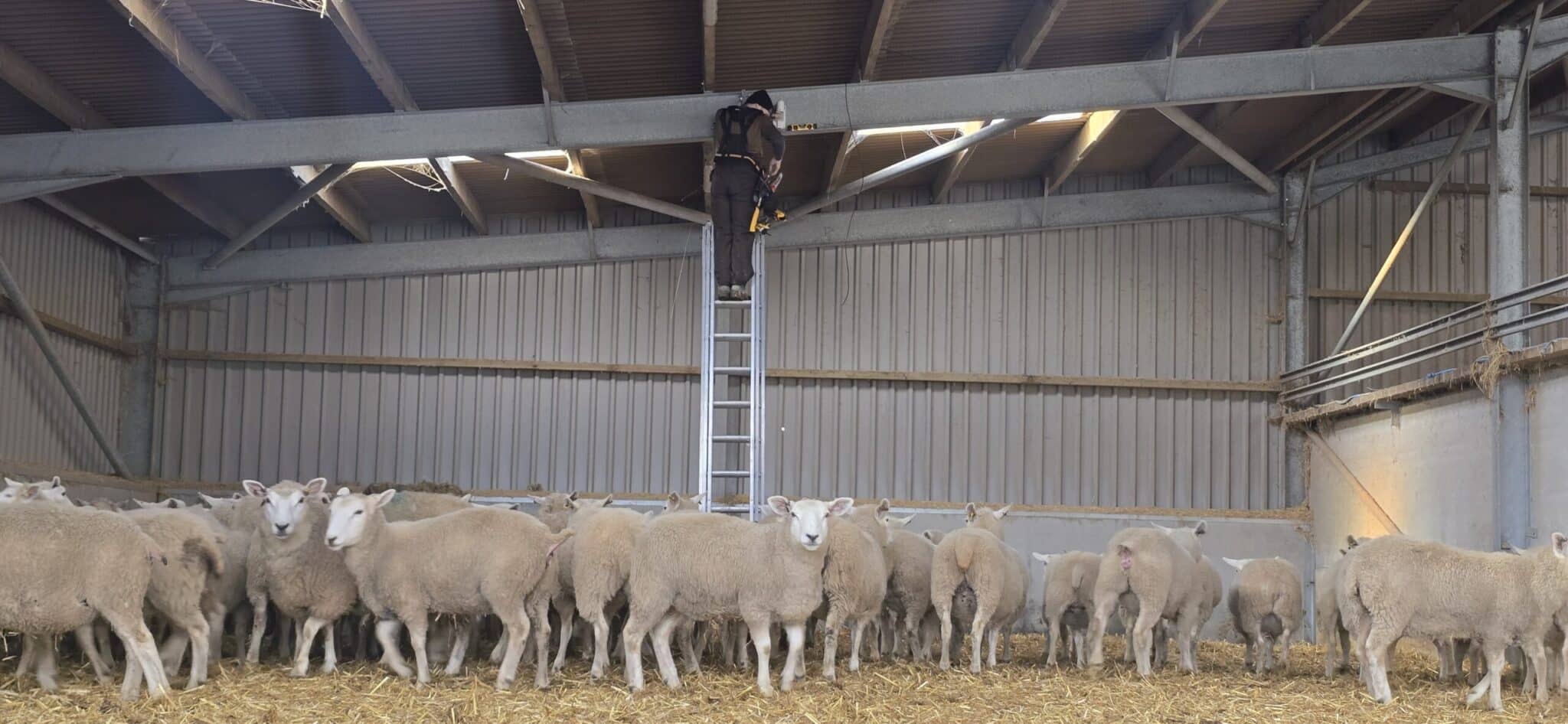
Most farms want wider visibility across sheds, yards, entrances, machinery areas and fuel tanks as well.
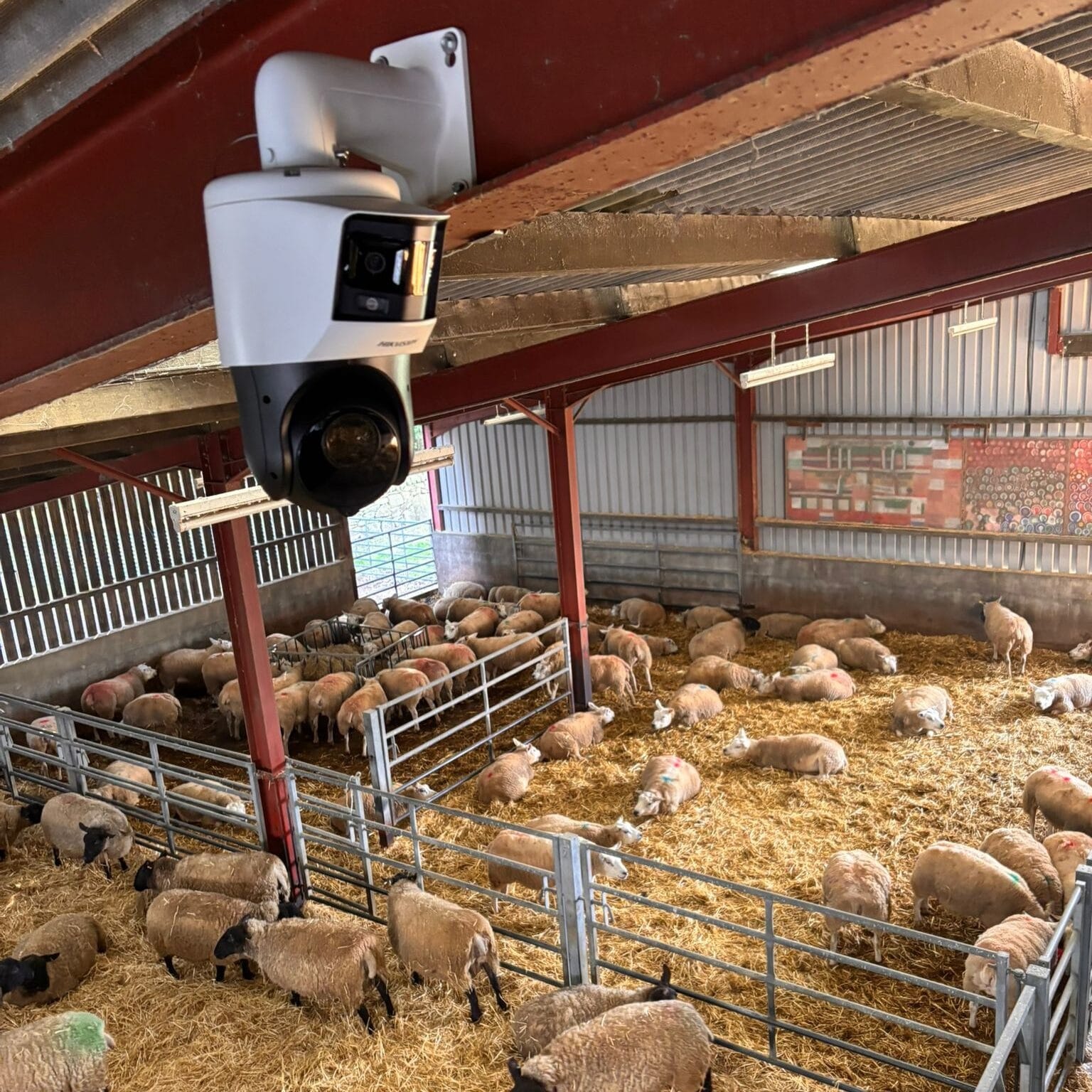
The real-world value still comes from survey work, sensible positioning, stable viewing and a properly designed overall setup.
If you are researching livestock monitoring and farm camera systems, these are the pages most people should read next.
The main farm CCTV page with broader information on layouts, coverage and system options.
Useful for farms comparing livestock visibility with wider monitoring and security needs.
A broader page covering farm and rural security requirements.
See wider English coverage and supporting regional pages for your area.
Here is the clean version of what the earlier FETF100 livestock camera item actually represented.
| Part | What it meant |
|---|---|
| Item | Camera for monitoring livestock. |
| Historic item code format | FETF100 with species variants such as SH, PI, POU and CA. |
| Expected average cost | £304 per item. |
| Grant amount | £152 per item. |
| Minimum specification | Internet-connected PTZ camera, IP66, 50m infrared, 16x zoom, 1080 pixels minimum, app compatible. |
| Important restriction | This was not a grant for a full multi-camera farm CCTV security system. |
Current and future FETF rounds may use different item codes, different specifications or different application windows.
The general FETF 2025 scheme opened on 29 May 2025 and closed at midday on 10 July 2025. Farmers should always check the latest official guidance for the current live round rather than assuming an older FETF100 livestock camera item is still available.
Do not assume old item codes still exist in the current round.
Work out what the site actually needs in practice, not just what one item code used to fund.
A useful farm camera system is about layout, coverage, reliability and real-world usability.

This is where a lot of confusion starts. A livestock camera grant item is not the same thing as a full farm CCTV grant.
Dyfed CCTV can help with the survey, quote, design and installation, but current item codes, eligibility rules, application windows and claim conditions are all set by the official English government guidance. Always check the live published documents before ordering equipment or scheduling installation.
Farm camera systems need to work in the real world, not just look good on paper. We understand the difference between a camera that technically exists and a system that is actually useful during stock checks, shed visibility, yard oversight and day-to-day farm routines.
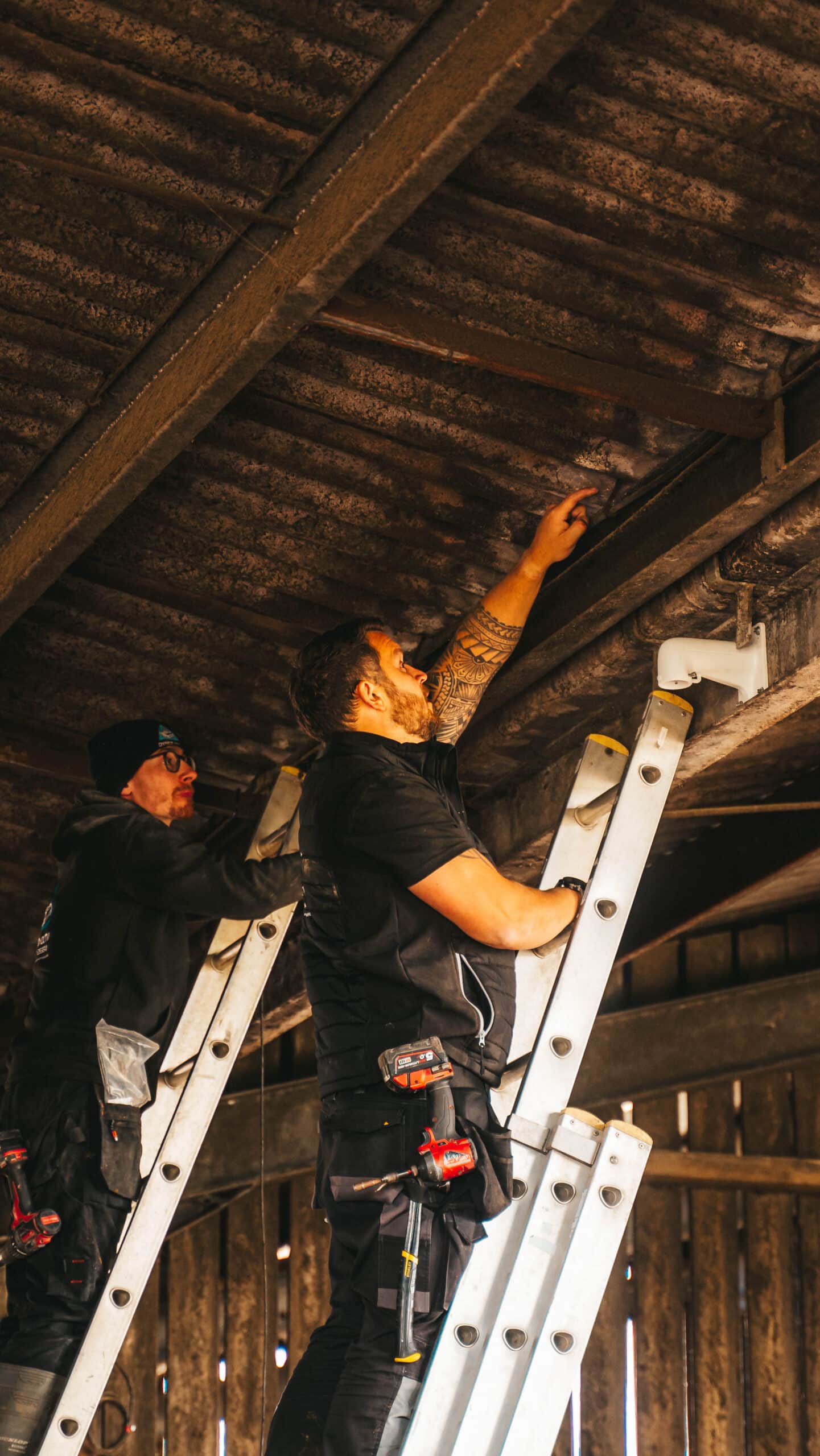
Broader information on layouts, camera options, coverage and farm system design.
Useful for farms comparing livestock visibility with wider monitoring and security needs.

Wider English coverage, regional reach and supporting pages for farm and business customers.
Tell us what buildings, yards, livestock housing or access points you need to see, and we will design a practical recommendation around the way your farm actually works.
Real installs are better than generic sales copy. These case studies help show what practical farm camera systems actually look like.
Coverage planning, tidy installation and remote viewing configured properly.

A practical real-world system where layout, reliability and commissioning matter.
A farm-focused setup designed for day and night checks with practical usability.
Want more examples? Browse our full case studies page.
We work with farms across English coverage areas including the West Country, border counties and surrounding regions. For broader regional coverage see: England, Shrewsbury, Bristol, Gloucestershire and Worcester.