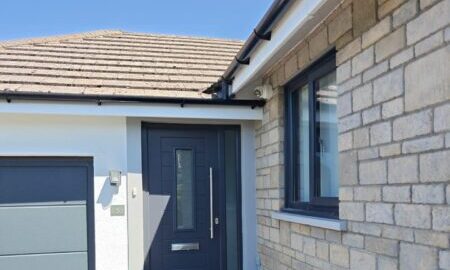
Front doors & entrances
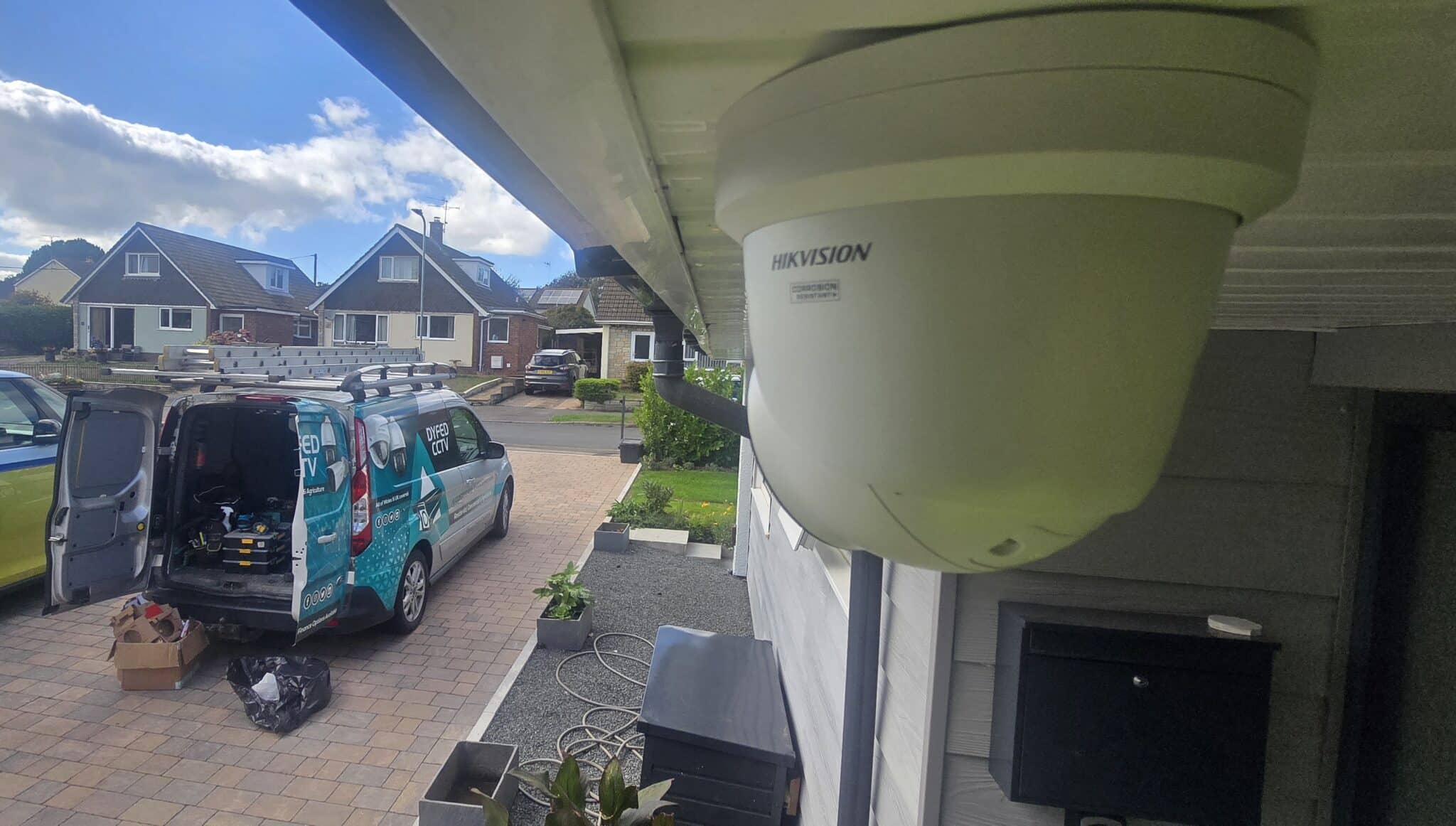
Useful facial detail at the main approach is often more valuable than a very wide view from high on the building.
View photograph
Professional home CCTV across Wales


Discreet, professionally installed wired CCTV systems for homes where image quality, night performance, reliability and clean workmanship matter.

Dyfed CCTV designs and installs Hikvision IP CCTV systems for houses, driveways, gardens, garages, gates and outbuildings. Camera positions are planned around the places people and vehicles actually approach the property, with local recording and secure remote viewing set up properly from day one.
WALES & BORDERING COUNTIES COVERED
Designed around the property

Good residential CCTV should give you useful footage without making the house look like
a commercial building. We plan the coverage first, then work out the neatest practical
cable routes and camera positions.
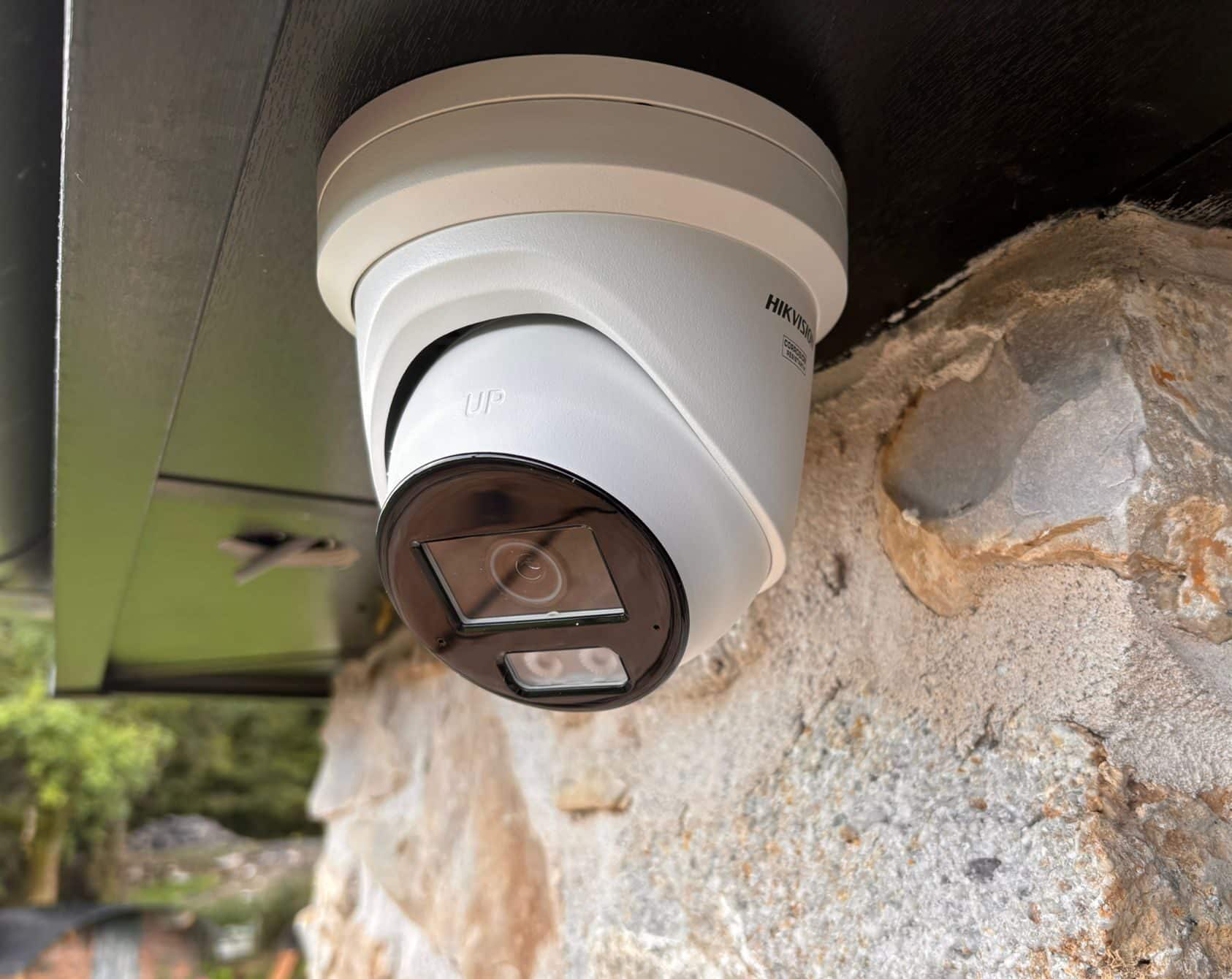 A clean finish. Useful coverage.
The result should be simple to use: cameras recording continuously, footage easy to find, and authorised family members able to check the property remotely when they need to.


What needs protecting?
Most homes do not need cameras everywhere. A better system concentrates on the routes people and vehicles use to reach the house, while giving enough overlap to avoid obvious blind spots.
Useful facial detail at the main approach is often more valuable than a very wide view from high on the building.
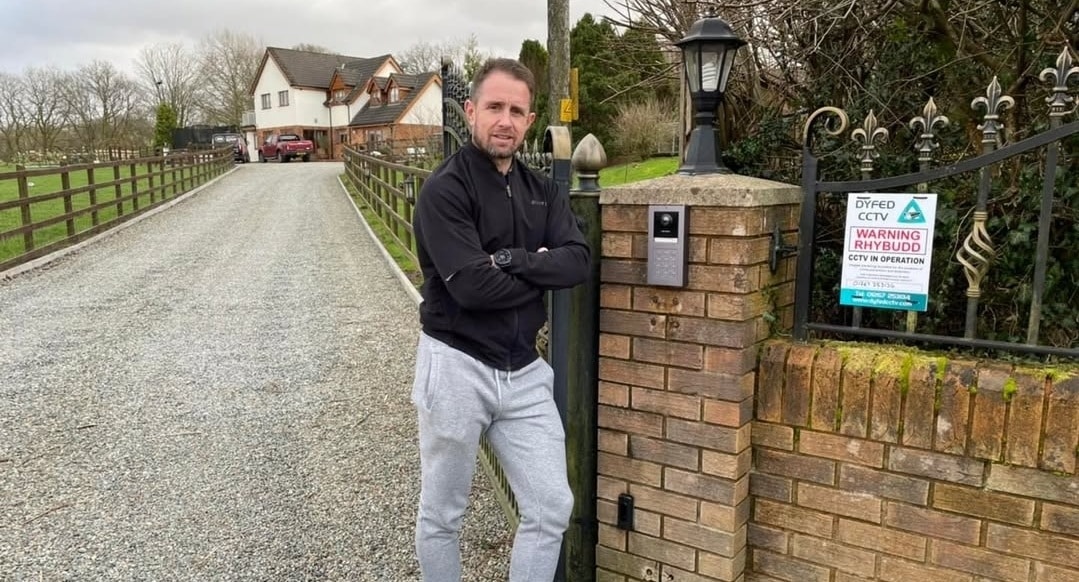
View photographCoverage can be planned around the driveway entrance, parking areas and the direction vehicles approach the property.
View photograph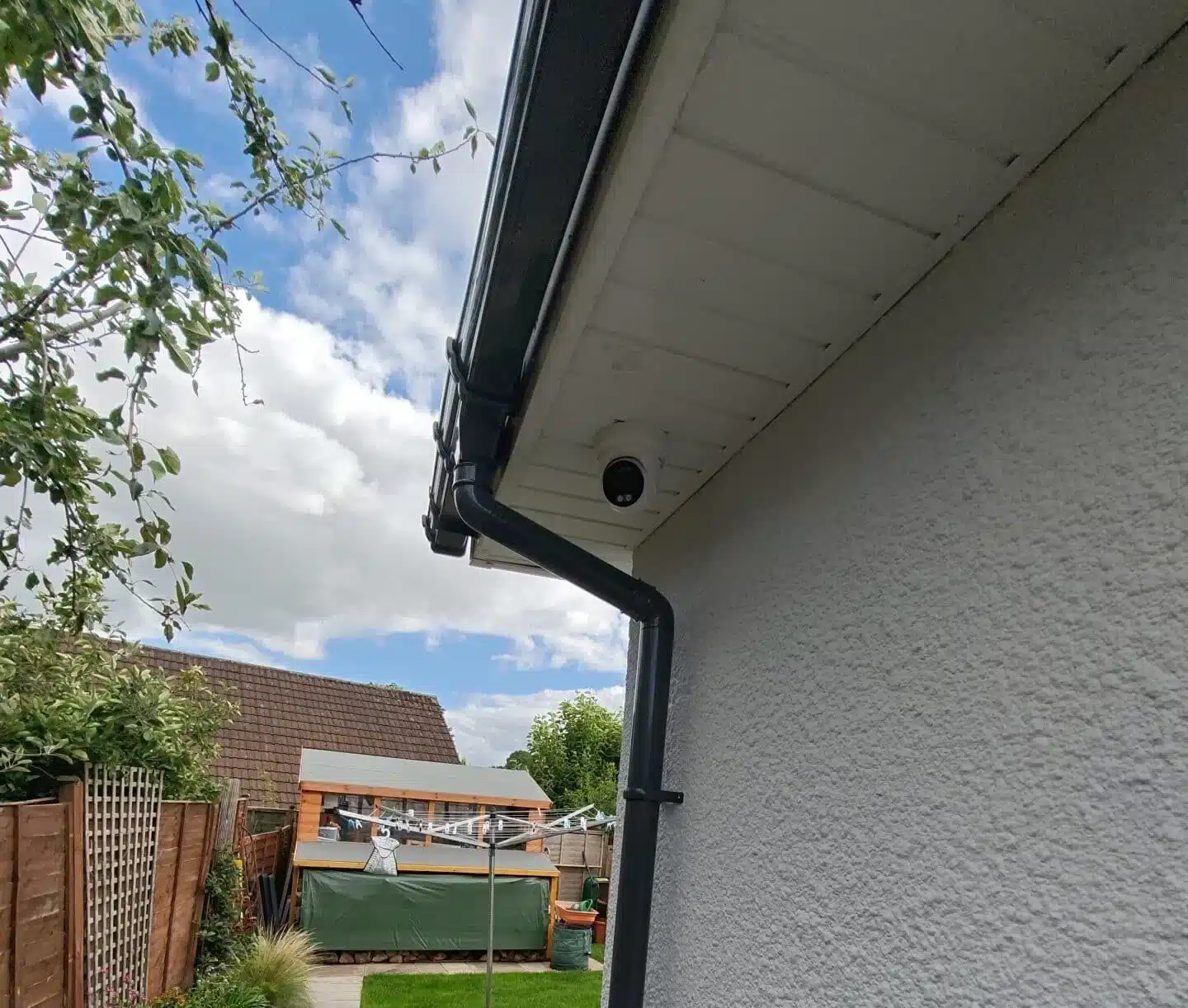
Narrow side passages and secondary access routes are common weak points and often benefit from dedicated coverage.
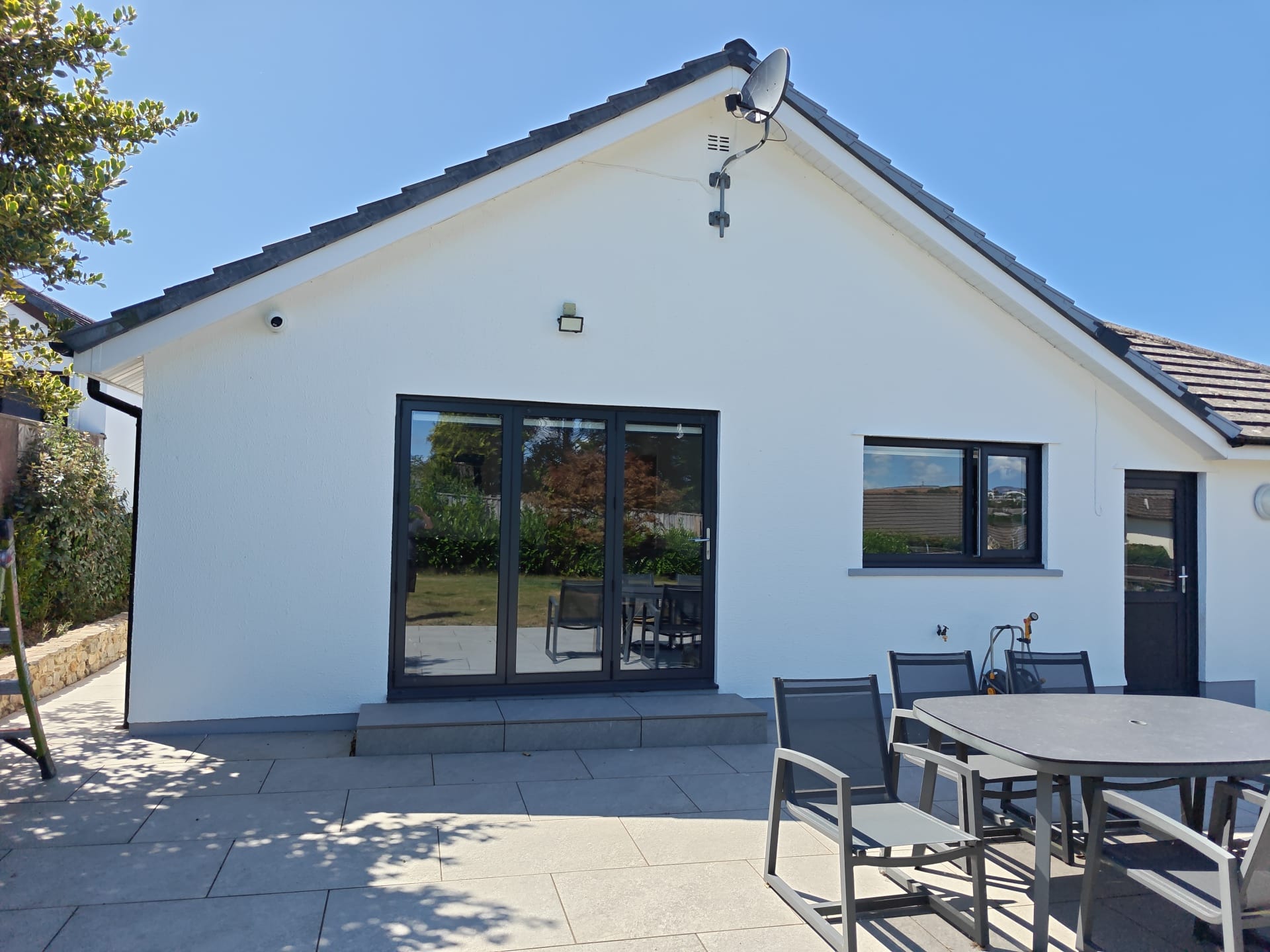
View photographRear doors, patios and garden access can be covered without placing cameras where they unnecessarily overlook neighbouring property.
View photograph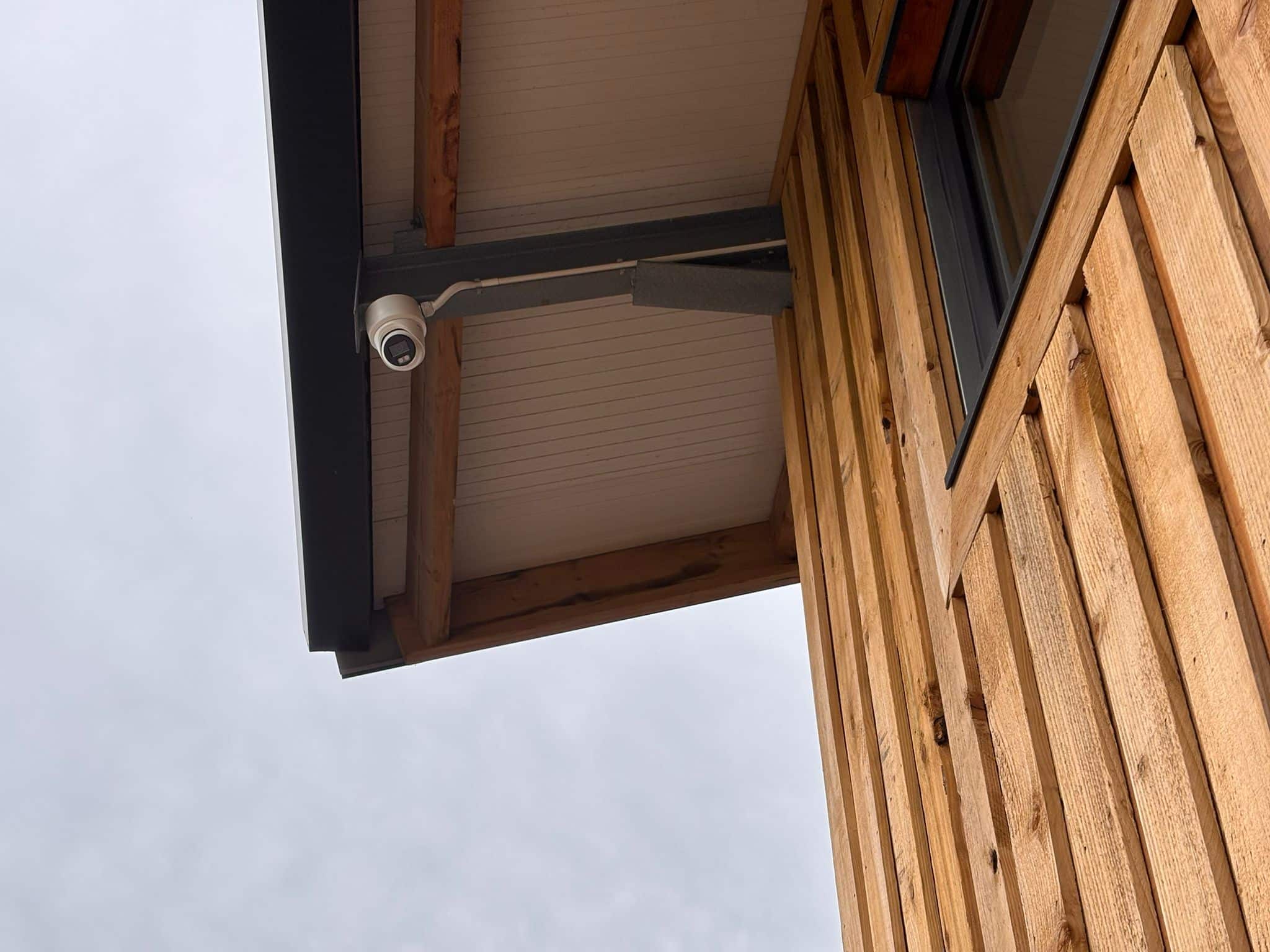
Detached garages, workshops, stables and stores can often be brought back to the same recorder as the house.
View photograph
Longer entrances may need a different lens or camera position from the cameras that cover the house itself.
View photographCamera positioning
A camera mounted very high can give a useful overview but a poor view of a face. A wide-angle
camera looking a long way down a driveway may show that a vehicle arrived without giving the
level of detail you expected.
The right view starts with the right position.
We position cameras around the job they need to do: identify somebody at an entrance, cover a parked vehicle, see a side path, monitor a gate or provide a reliable overview of the garden. Sometimes that means using different lenses or different camera types around the same property.

After dark
Night performance is one of the biggest differences between a system that looks good on a specification sheet and one that is genuinely useful at home. The best option depends on the property, the available lighting, neighbours and where each camera is positioned.

Infrared night vision
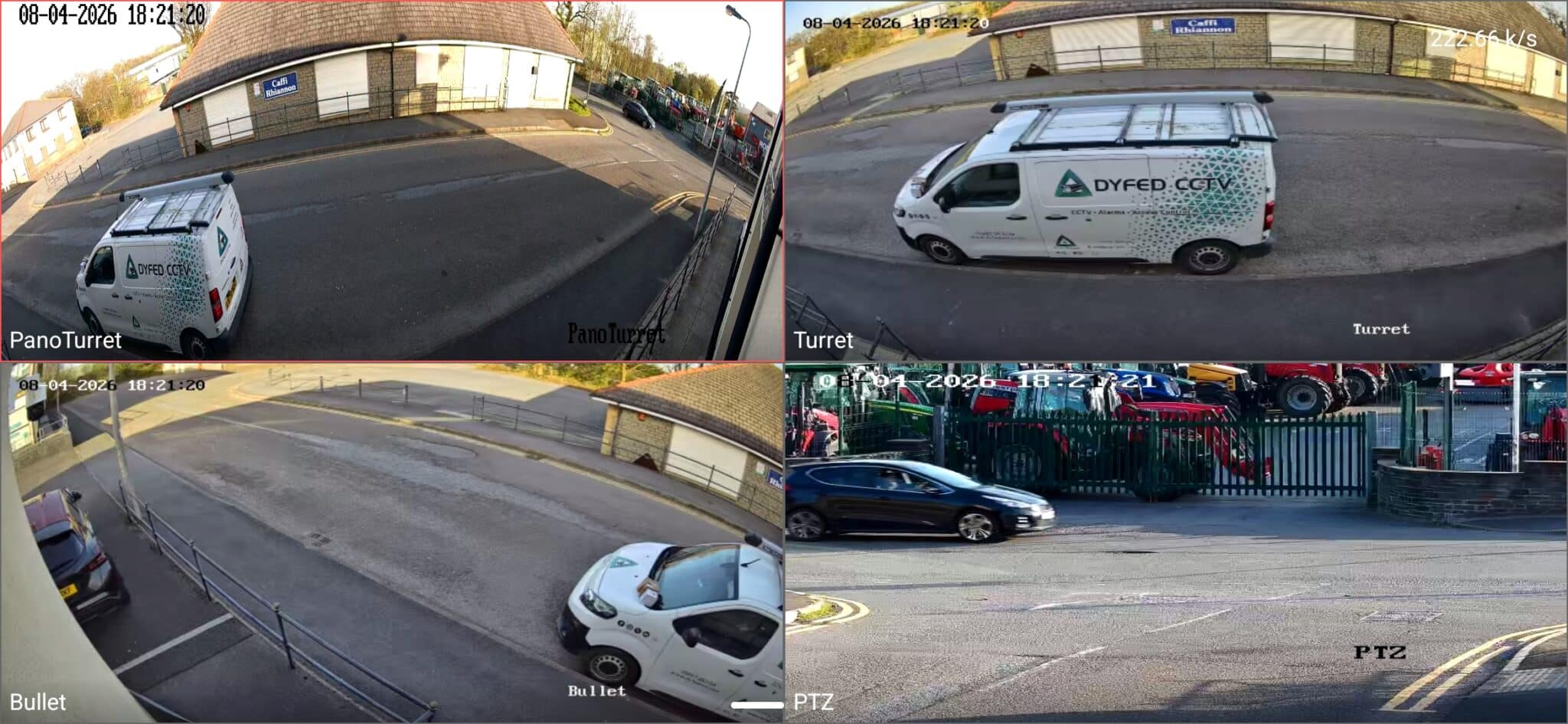
Examples of three different viewing technologies.
Infrared provides discreet black-and-white night footage without keeping a visible white light on. It remains a strong choice where colour is not essential.
Hikvision ColorVu cameras can retain useful colour detail in suitable low-light conditions, helping with details such as clothing and vehicle colour.
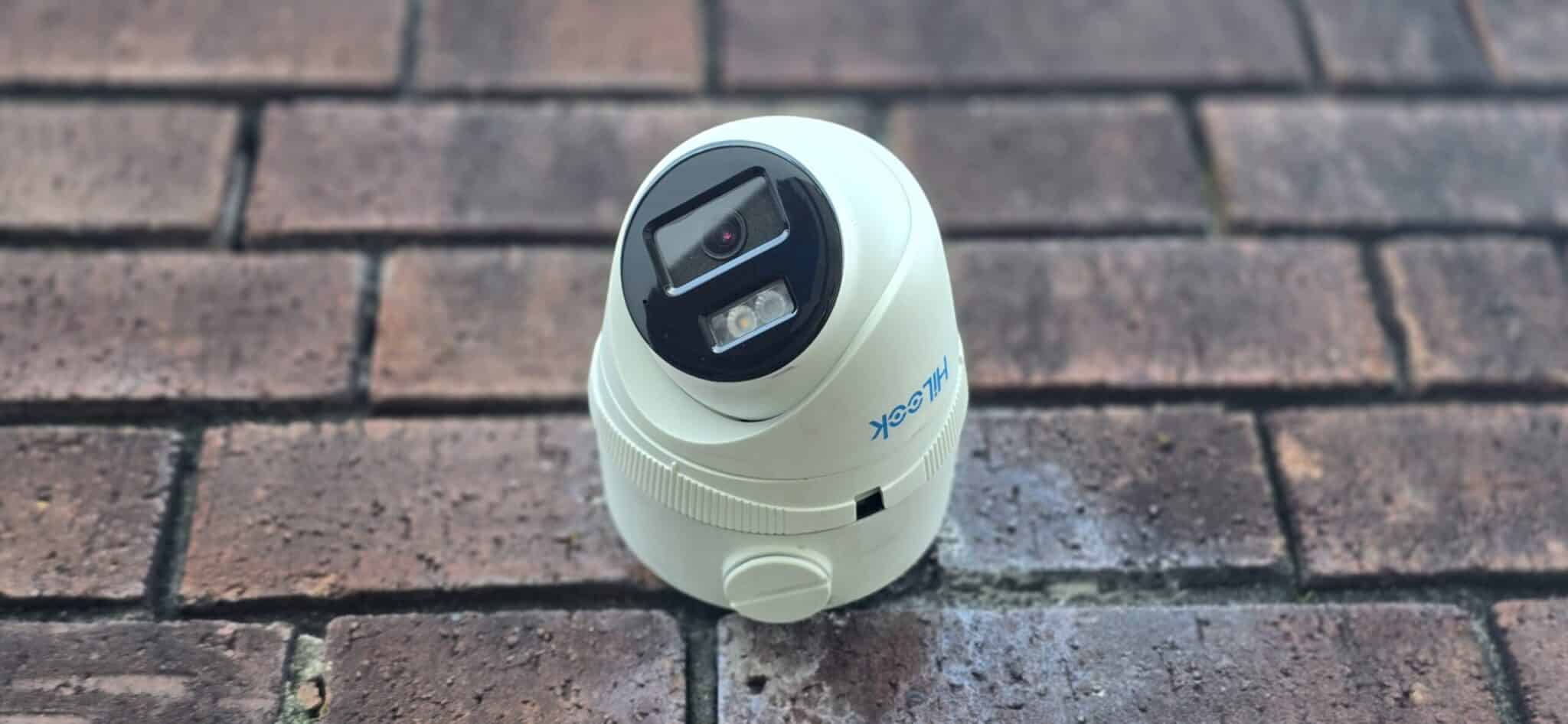
Smart Hybrid Light cameras can use infrared for normal night viewing and make white light available when configured for an event, giving more flexibility around the home.
Wired IP CCTV
Our main residential systems are wired IP CCTV systems. Cameras are normally connected by network cable
to the recorder or CCTV network, so the video path is not dependent on a weak wireless signal at the edge of the house.
 Recording stays at home, on your NVR.
Footage is stored locally on the NVR. If your broadband connection drops but the CCTV equipment still has power, local recording can continue. Internet access is mainly needed for remote viewing when you are away from home.
Using the system every day
A home CCTV system should not require technical knowledge every time you want to check what happened. We configure the recorder, app access and key settings before handover and show you how to use them.
Storage is sized around the camera count, resolution and required retention. Around 30 days of continuous footage is a common target for our residential system designs.
Authorised household members can view live cameras and recorded footage from compatible phones and tablets without needing to stand in front of the recorder.
Suitable Hikvision systems can distinguish people and vehicles from much of the background movement, making event searches and alerts more useful when configured properly.
Beyond the main house
A camera does not have to be attached to the house to be part of the same system. Detached garages,
workshops, stables, gates and other buildings can often be connected back to the main recorder.
Professional cameras beyond the main house.
Where a direct cable route is practical, that is normally the simplest approach. Where the distance, driveway or ground makes cabling difficult, a point-to-point wireless bridge can often link the buildings without making the cameras themselves dependent on ordinary household Wi-Fi.
Choosing the right camera
For most homes, fixed turret or bullet cameras are the backbone of the system because they keep watching the same area continuously. On larger properties, a PTZ camera can be useful for controllable long-range views, but it should not replace fixed coverage of an entrance or perimeter simply because it can move.
From survey to handover
The installation should feel organised and predictable. We agree the important positions first, protect the property while we work, test the system properly and show you how everything works before we leave.
We discuss what you want to protect and assess the practical camera and cable routes.
The key views are agreed before installation so you know what each camera is intended to cover.
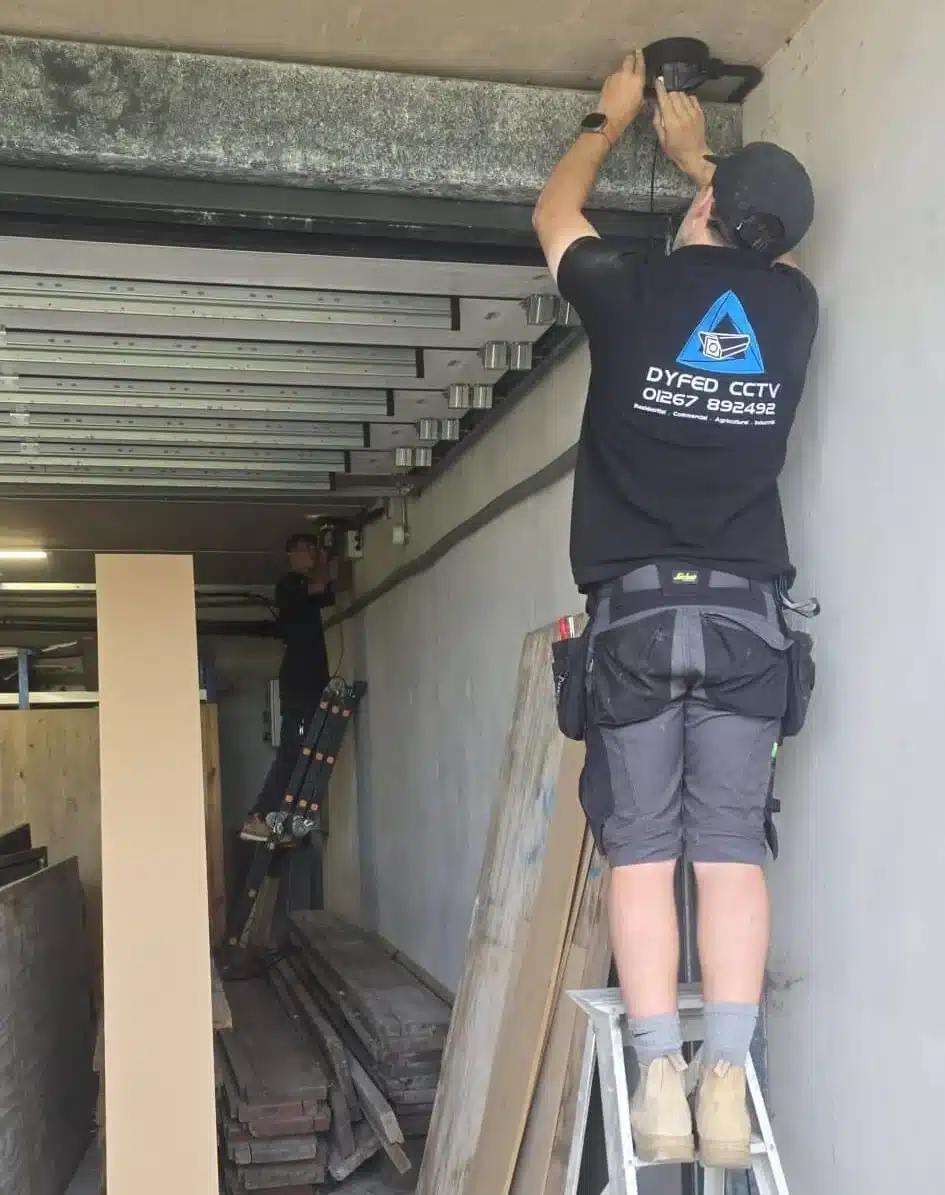
Cameras are mounted securely, connections protected and cable routes kept as discreet as the building allows.
The recorder, storage, time settings, detection and camera names are configured for the property.
Hik-Connect is configured for the authorised users who need access away from the house.
We test live and recorded footage and show you how to find, play back and export recordings.
Already have CCTV?
You do not always need to start again. If an existing IP system and cabling are in good condition,
we can assess whether parts of it can be retained, upgraded or expanded.
Professional hardware. A considered upgrade.
Existing Cat5 or Cat6 cabling can sometimes be reused after it has been checked and tested. Where an older analogue/coax system is no longer giving the quality or reliability required, we normally recommend moving to a proper IP system rather than building a new installation around ageing technology.
Neighbours, roads and privacy
Residential CCTV can sometimes see beyond the boundary of the home, particularly around driveways and front entrances. We aim to position cameras so they cover the areas that matter without unnecessarily overlooking neighbouring windows, gardens or other private areas.
Real homes. Real installations.
These projects show the standard of finish and the kind of practical residential CCTV work we carry out. Each property has its own layout, priorities and installation challenges.
Installation quality
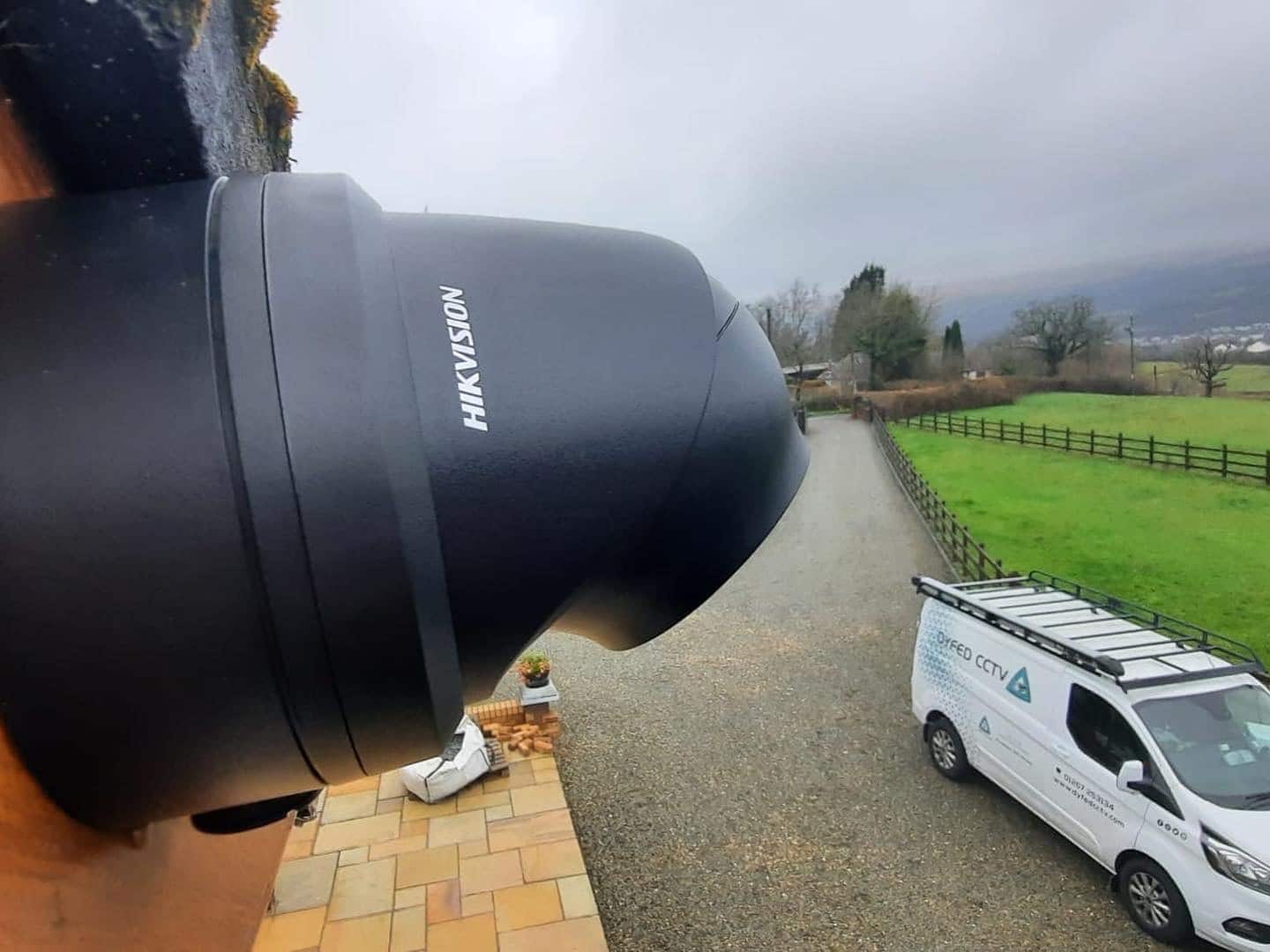
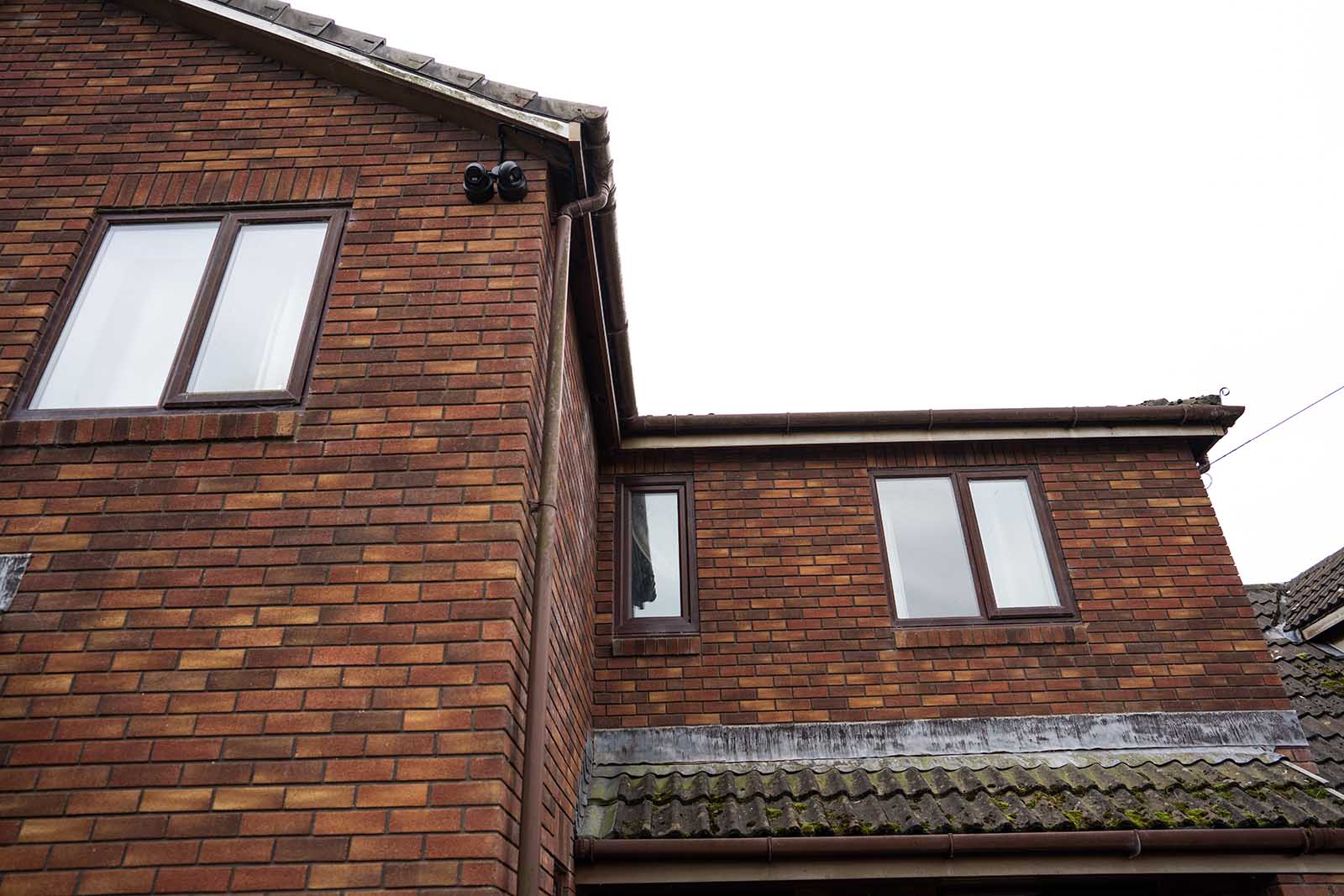
Camera specifications matter, but so does the finish. These are real examples of Dyfed CCTV residential installations, showing the kind of mounting, positioning and workmanship we aim for.



Professional residential CCTV
Dyfed CCTV installs residential CCTV throughout Wales and undertakes suitable home CCTV projects in the neighbouring English border counties. From a straightforward two-camera house to larger private properties with gates, garages and separate buildings, the system is designed around the property rather than a fixed package.
Common questions
These are some of the questions homeowners ask us before deciding what sort of system they need.
No. The cameras on our main residential systems are normally wired back to the CCTV network or recorder. Internet access is used for remote viewing, but the cameras do not need to rely on the household Wi-Fi signal.
Not normally. If the cameras, network equipment and NVR still have power, local recording can continue while the broadband is offline. Remote viewing will usually return when the internet connection is restored.
Retention depends on the number of cameras, their resolution, the recording mode and the hard-drive capacity. We size storage around the property and the retention you want; around 30 days of continuous footage is a common design target for our home systems.
Yes. Hik-Connect can be set up so authorised household members have remote access to the system. We can help configure the appropriate access during handover.
Yes. Where practical we can cable directly to the building. On suitable sites, point-to-point wireless bridges can also link separate buildings back to the same CCTV system without relying on ordinary household Wi-Fi.
Sometimes. If the cable routes and terminations are suitable, we can test them and assess whether they can be retained. We would not assume old cabling is usable until it has been checked.
We aim to conceal or minimise visible cable runs wherever the building allows. The exact route depends on the construction of the property, loft access, external walls and where the recorder is located, but appearance is considered as part of the installation rather than afterwards.
Yes, where the conditions and camera choice support it. Hikvision ColorVu and Smart Hybrid Light cameras can provide colour night footage or flexible infrared/white-light operation depending on the location and how the system is configured.
We try to avoid unnecessary coverage beyond the property boundary through sensible positioning and can use privacy masking where appropriate. The homeowner remains responsible for how the system is used and for any data-protection or signage obligations that apply.
Often, yes. We can assess suitable IP systems, add cameras, replace failed equipment, increase recording capacity or take over ongoing maintenance where the existing installation is serviceable.
We can, particularly on larger private properties where long-range controllable viewing is useful. For permanent coverage of entrances and boundaries, fixed cameras are normally still important because they keep watching the same area all the time.
Like any powered CCTV system, the cameras, recorder and network equipment need electricity. If backup power is important for your property, discuss it with us at survey stage so the requirement can be considered properly.
Talk to Dyfed CCTV
If you want a professionally installed home CCTV system, are replacing an older setup or need cameras on a garage or outbuilding as well as the house, send us the details. We can give you an initial indication and, where appropriate, arrange a residential CCTV survey.
You can also view our CCTV case studies and examples of completed residential installations before getting in touch.
Talk to Dyfed CCTV
Tell us about the areas you want to protect and any existing CCTV. You do not need to work out the camera count before contacting us.
No obligation • Quick response • SSAIB certificated CCTV installer
Professional residential CCTV
We design residential CCTV systems around the property rather than working from a fixed camera package. The aim is to give you useful coverage, reliable recording and an installation that looks right on your home.
Camera positions, cable routes, night performance, recording storage and remote viewing are all considered before the system is finalised.
Dyfed CCTV
From straightforward home CCTV systems to larger private properties with gates, garages, outbuildings and extensive grounds, we design every system around the property and the people using it.